

Industrial fasteners are essential components in engineering structures, machinery, and construction applications. When these components fail, the consequences can be serious, ranging from equipment downtime to accidents, safety risks, and costly repairs. Most failures are preventable if the right materials, standards, installation practices, and coatings are selected from the beginning. This article explains the most common types of fastener failures and the practical steps industries can take to avoid them.
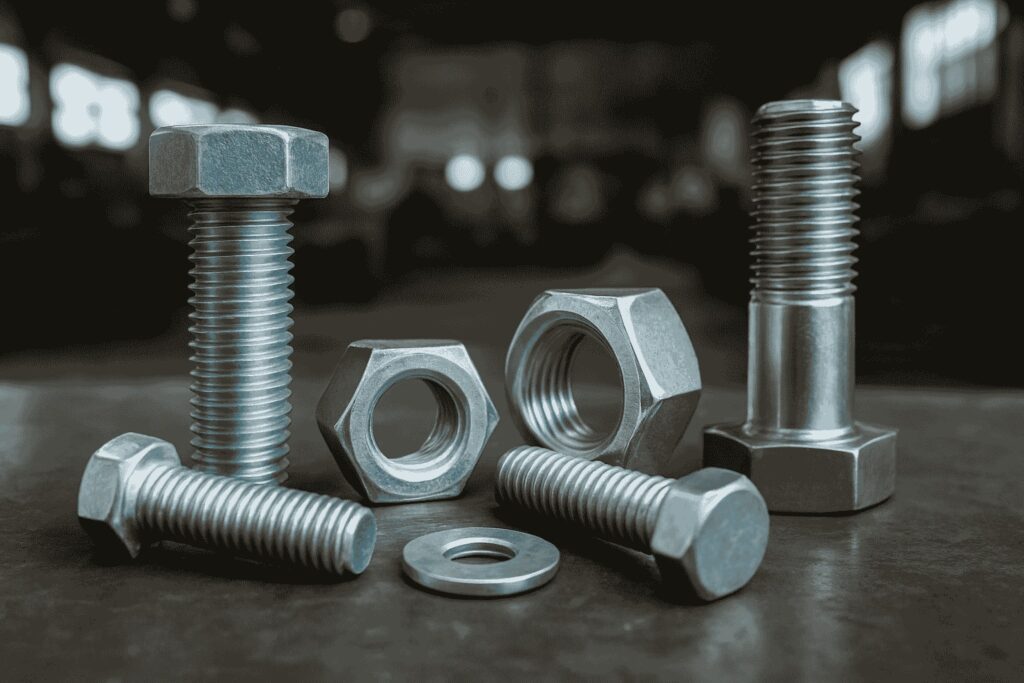
Understanding Fastener Failure
A fastener failure occurs when a bolt, nut, stud, screw, or anchor loses its ability to hold the designed load. This usually results from incorrect material selection, corrosion, mechanical fatigue, improper tightening, or unsuitable surface treatments. Understanding the underlying cause is the first step toward improving performance and operational reliability.
Corrosion-Related Failure
Corrosion is one of the most common reasons fasteners deteriorate, particularly in outdoor and harsh industrial environments. Moisture, chemical exposure and atmospheric conditions gradually reduce the strength of the fastener until it becomes structurally weak. Industries such as marine, chemical processing, oil and gas and construction are especially vulnerable to corrosion-related fastener damage. Selecting the correct stainless steel grade, and where necessary, applying galvanizing or other surface treatments significantly reduces this risk.
Fatigue Failure
Fastener fatigue occurs as a result of cyclic loads, vibration and repeated stress. Even high-strength bolts can fail if they are exposed to constant loading and unloading, which may lead to cracking or breakage. This type of failure is often seen in machinery, heavy equipment, and rotating systems. Fatigue can be prevented by using the correct tensile strength, appropriate preload, and selecting materials specifically designed to withstand dynamic loads.
Incorrect Tightening
Over-tightening and under-tightening are both major causes of failure. Excessive torque can stretch or damage the threads of a bolt, while insufficient torque may result in loosening, leakage, or vibration-related separation. Adhering to proper torque guidelines and using calibrated tools during installation are critical steps in ensuring long-term performance and structural integrity. Proper training of installation personnel plays a key role as well.
Wrong Material Grade
Selecting the wrong fastener grade for the application is a common mistake in industrial environments. For example, using carbon steel in corrosive conditions or using low-grade fasteners for high-stress areas inevitably leads to premature failure. The correct approach is selecting material based on load conditions, temperature requirements and environmental exposure, while ensuring the fastener meets international standards such as ASTM, DIN, or ISO.
Coating and Surface Failure
Fastener coatings are essential for corrosion resistance, but not every coating is suitable for every environment. Inappropriate selection can lead to coating breakdown, peeling, or chemical reaction, eventually causing corrosion. Surface treatments such as hot-dip galvanizing, zinc plating, and PTFE coating should be selected based on operating conditions, chemical exposure, and environmental factors.
How to Prevent Fastener Failure
Preventing fastener failure begins with understanding the application environment, selecting the correct material grade, ensuring appropriate surface treatment, and installing the fastener according to proper torque specifications. Regular inspection, maintenance, and compliance with international standards are equally important. When these factors are carefully considered, the result is increased safety, longer service life and reduced operational downtime.
The Importance of Working With a Reliable Fastener Manufacturer
The reliability of a fastener depends not only on the raw material but also on precise manufacturing processes, heat treatment, inspection standards, and testing procedures. A technically experienced fastener manufacturer is able to advise on suitable materials, grades, coatings, and international specifications for different industrial applications. Choosing the right partner helps ensure safety, efficiency, and long-term performance.
Conclusion
Fastener failure is largely preventable when the correct selection process, installation technique, and maintenance strategy are followed. Issues related to corrosion, fatigue, torque accuracy, and material selection can be eliminated by working with a knowledgeable supplier and by selecting fasteners that meet certified international standards. By prioritizing quality and technical suitability, industries can significantly reduce the risk of failure and maintain optimal performance in critical applications.